
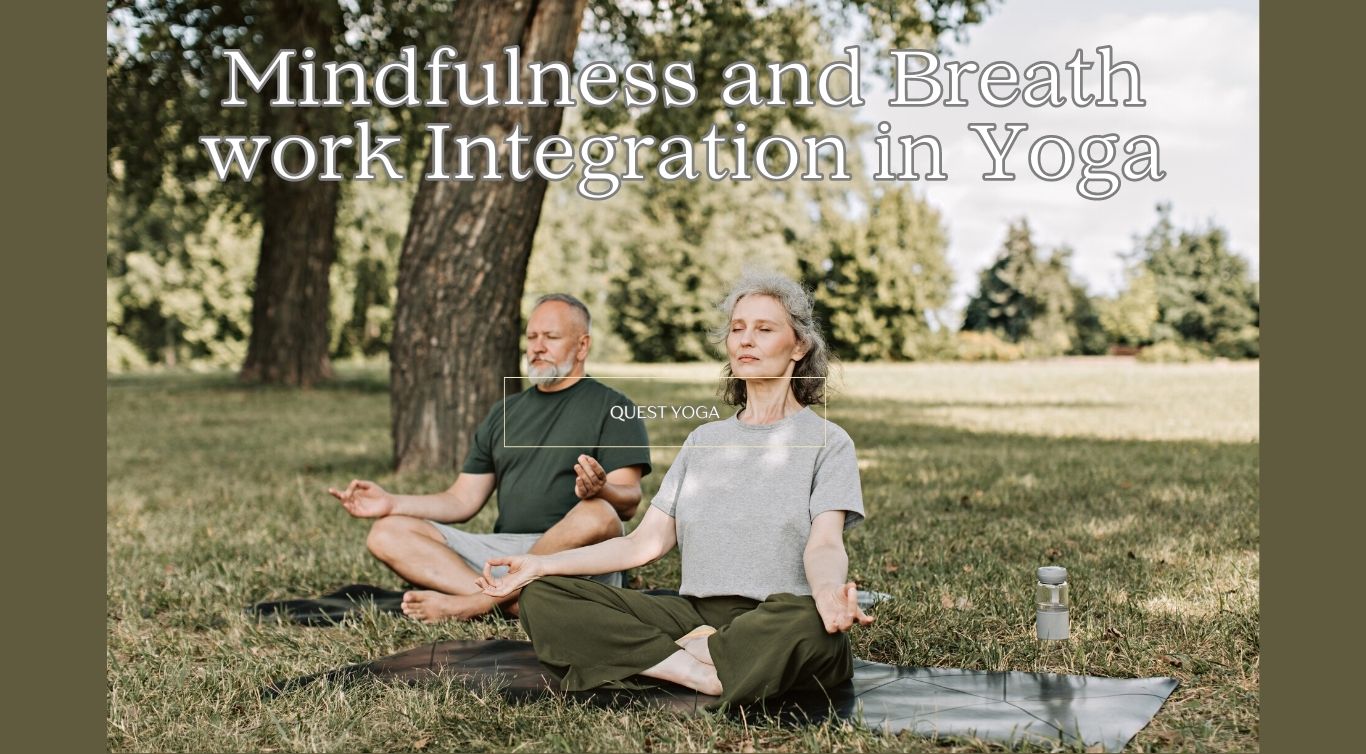
The Significance of Mindfulness and Breath work Integration in Yoga Practice
Introduction: Yoga is a holistic practice that combines physical postures, breath control, and meditation techniques to cultivate physical, mental, and spiritual well-being. It has gained immense popularity in recent years as a means to reduce stress, increase flexibility, and improve overall health. While the physical aspect of yoga is often emphasised, the integration of mindfulness and breath work is equally crucial to unlocking the full potential of this ancient practice. In this blog post, we will explore the significance of mindfulness and breath work integration in yoga practice, focusing on how they enhance the mind-body connection, deepen self-awareness, and facilitate a profound sense of inner calm.
Mindfulness in Yoga Practice: Mindfulness in yoga practice refers to the deliberate cultivation of present-moment awareness and non-judgmental observation. It involves bringing focused attention to the sensations, thoughts, and emotions that arise during the practice. By immersing ourselves fully in the present moment, we can deepen our understanding of our bodies and minds, allowing for adjustments and modifications that support a safe and effective practice. Beyond the physical benefits, mindfulness in yoga extends to our daily lives, helping us reduce stress, improve focus, and enhance overall well-being. Through mindfulness, we learn to embrace each moment on the mat, fostering a profound connection between our bodies, minds, and the present experience.
Cultivating Mindfulness: Mindfulness is the practice of bringing one’s attention to the present moment with non-judgmental awareness. In yoga, mindfulness involves paying attention to the sensations, thoughts, and emotions that arise during the practice. By staying fully present on the mat, practitioners develop a deeper understanding of their bodies and minds. This heightened awareness allows them to identify areas of tension, imbalances, or limitations, enabling them to make adjustments and practice yoga in a safe and nurturing manner. Mindfulness in yoga also extends beyond the mat, helping individuals carry this present-moment awareness into their daily lives, leading to reduced stress, improved focus, and enhanced overall well-being.
Different Mindfulness Practices in Yoga: In yoga, various mindfulness practices can be incorporated to deepen our awareness and presence on the mat. These practices promote a sense of calm and focus, allowing us to fully engage with each moment. Here are a few mindfulness techniques commonly used in yoga:
1. Breath Awareness: Focusing on the breath is a fundamental mindfulness practice in yoga. By observing the inhalation and exhalation, we anchor our attention to the present moment and cultivate a sense of inner calm.
2. Body Scan: The body scan involves systematically directing our attention to different parts of the body, noticing sensations without judgment. This practice enhances body awareness, relaxation, and the release of tension.
3. Sensory Awareness: Mindfulness can also involve tuning into our senses during yoga practice. We can bring attention to the feeling of the mat beneath us, the sound of our breath, or the sensation of muscles stretching, fostering a deeper connection with the present experience.
4. Non-judgmental Observation: Mindfulness encourages observing thoughts, emotions, and physical sensations without attachment or judgment. By cultivating a non-reactive stance, we develop a greater understanding of ourselves and foster self-compassion.
Incorporating these mindfulness practices into yoga allows us to deepen our mind-body connection, promote self-awareness, and enhance the overall transformative power of the practice. By integrating mindfulness, we embrace the richness of the present moment, both on and off the mat.
Harnessing the Power of Breath work: Breath work, or conscious control of the breath, is an integral part of yoga practice. Various breathing techniques, such as Ujjayi breath, Kapalabhati, and Nadi Shodhana, help regulate the breath, calm the nervous system, and direct prana (life force energy) throughout the body. Deep, conscious breathing during yoga postures provides a foundation for stability, allowing practitioners to find balance, relaxation, and endurance. Additionally, specific breath work techniques can have a direct impact on the mind, stimulating the parasympathetic nervous system and inducing a state of calm and relaxation. By consciously linking breath with movement, practitioners can enter a flow state, enhancing their practice both physically and mentally.
Yogic Breath work Techniques and Their Benefits: Yogic breath work, known as pranayama, encompasses various techniques that harness the power of breath for improved well-being. Here are a few breath work techniques commonly practiced in yoga and their benefits:
1. Ujjayi Breath: This deep, audible breath promotes relaxation, enhances focus, and cultivates heat in the body during dynamic yoga sequences.
2. Kapalabhati: Also known as “skull-shining breath,” it involves forceful exhalations followed by passive inhalations. Kapalabhati energises the body, clears the mind, and detoxifies the respiratory system.
3. Nadi Shodhana: Alternate nostril breathing balances the left and right energy channels, calms the nervous system, and fosters mental clarity.
4. Sama Vritti: Equal ratio breathing, where inhalation and exhalation are of equal duration, brings balance, tranquility, and harmony to the body and mind.
By incorporating these yogic breath work techniques into your practice, you can experience increased energy, relaxation, mental clarity, and overall well-being.
Enhancing the Mind-Body Connection: Yoga is not merely a physical exercise; it is a means of unifying the body and mind. Integrating mindfulness and breath work into yoga practice fosters a profound mind-body connection. As practitioners become more aware of their breath and physical sensations, they learn to synchronise movements with the breath, creating a seamless harmony between body and mind. This integration allows for a deeper exploration of the body’s capabilities, improved alignment, and a heightened sense of embodiment. By cultivating this connection, practitioners can experience a state of moving meditation, where each pose becomes an opportunity for self-discovery, self-acceptance, and inner transformation.
To synchronise breath with movement and explore embodiment during yoga practice, try these techniques:
- Inhale during expansion: Inhale deeply as you move into an expansive posture, such as a backbend or opening the arms wide.
- Exhale during contraction: Exhale fully as you move into a contracting posture, like a forward fold or twisting motion.
- Coordinate breath with transitions: Link each movement with a corresponding breath, maintaining a steady rhythm throughout the practice.
Remember to focus on the physical sensations and stay present in each breath and movement, allowing for a deeper mind-body connection and embodied experience.
Deepening Self-Awareness: Mindfulness and breath work serve as powerful tools for self-inquiry and self-reflection. When practicing yoga with mindfulness, individuals develop an increased capacity to observe their thoughts, emotions, and physical sensations without attachment or judgment. This heightened self-awareness extends beyond the yoga mat and can be applied to daily life, fostering greater emotional intelligence and resilience. By tuning in to their inner landscape, practitioners can gain insights into their patterns, reactions, and thought processes, allowing for personal growth, emotional healing, and the cultivation of compassion towards oneself and others.
To apply self-inquiry and self-reflection during yoga practice, consider the following techniques:
- Set an intention: Before starting your practice, reflect on your purpose for stepping onto the mat. Ask yourself what you want to cultivate or explore during the session.
- Body check-ins: Throughout the practice, take moments to scan your body and notice any sensations, tensions, or areas of ease. Use this information to adjust your postures and deepen your self-awareness.
- Journaling: Keep a yoga journal nearby and jot down any insights or emotions that arise during or after the practice. Use specific prompts like “What am I feeling in this pose?” or “What challenges did I overcome today?”
By incorporating self-inquiry and self-reflection techniques, you can deepen your yoga experience, gain valuable insights, and foster personal growth both on and off the mat.
Conclusion: The integration of mindfulness and breath work in yoga practice elevates the experience from a purely physical exercise to a profound journey of self-discovery, healing, and transformation. By cultivating mindfulness, practitioners learn to be fully present, embracing the richness of each moment. Incorporating breath work deepens the mind-body connection, enhances relaxation, and channels vital energy throughout the body. Together, mindfulness and breath work bring about a state of inner calm, self-awareness, and personal growth that extends far beyond the boundaries of the yoga mat. As you embark on your yoga journey, remember to prioritise mindfulness and breath work, allowing them to guide you towards a deeper understanding of yourself and the world around you.
Take a deep breath, embrace the power of mindfulness and breath work, and unlock the transformative potential in your yoga practice today.
#YogaMindfulness #BreathworkIntegration #MindBodyConnection #YogaPractices #SelfAwarenessTechniques #EmbodiedYoga #MindfulnessBenefits #BreathworkTechniques #YogaTransformation #InnerCalmThroughYoga
 QUEST YOGA